In the context of the dynamic development of technological innovation, collaboration between universities and industry is becoming increasingly important to prepare future generations of professionals. In this context, the first study visit of the NeedEDU4.0 project was a pivotal moment in developing a deep understanding between academia and industry.
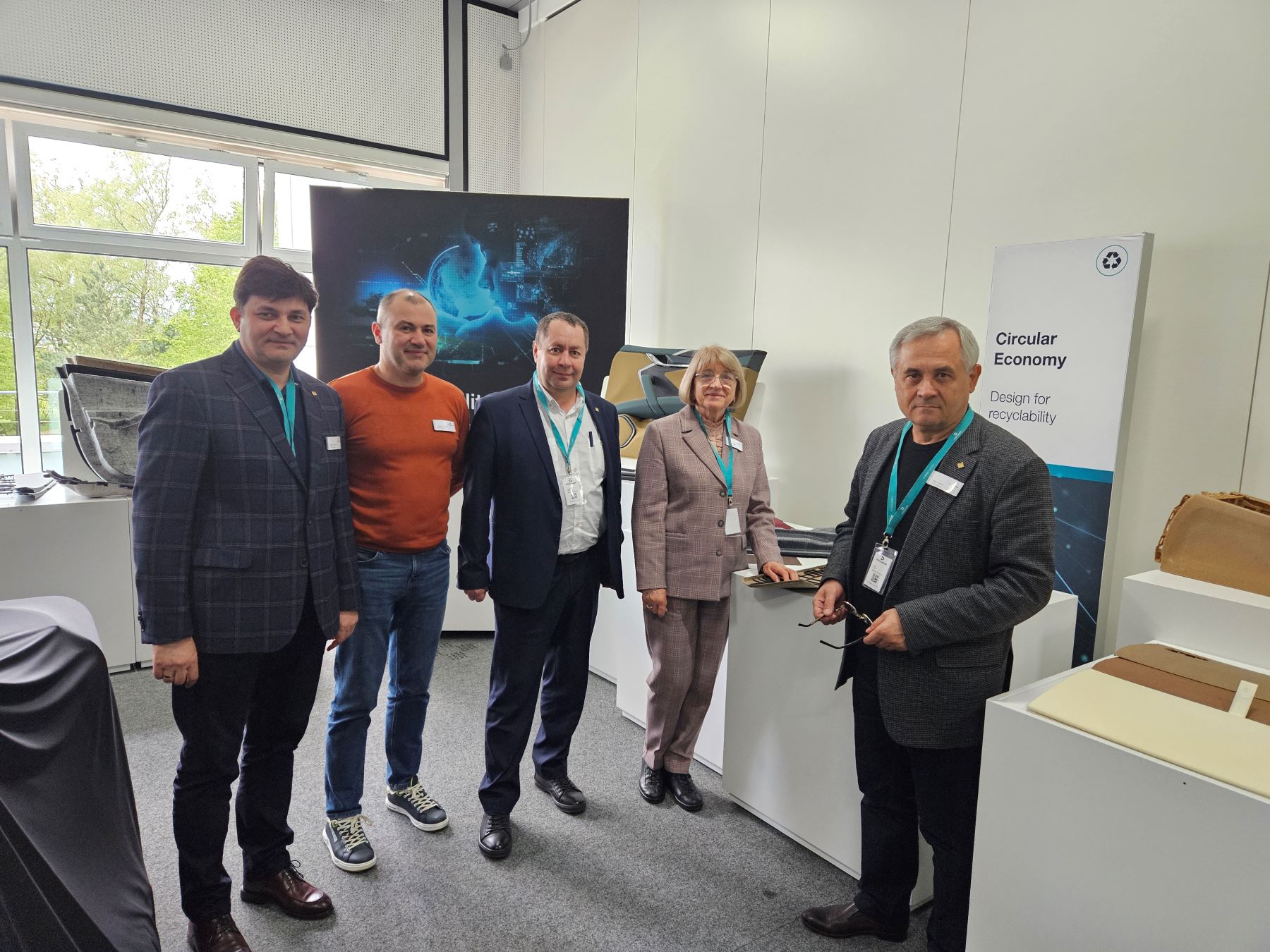
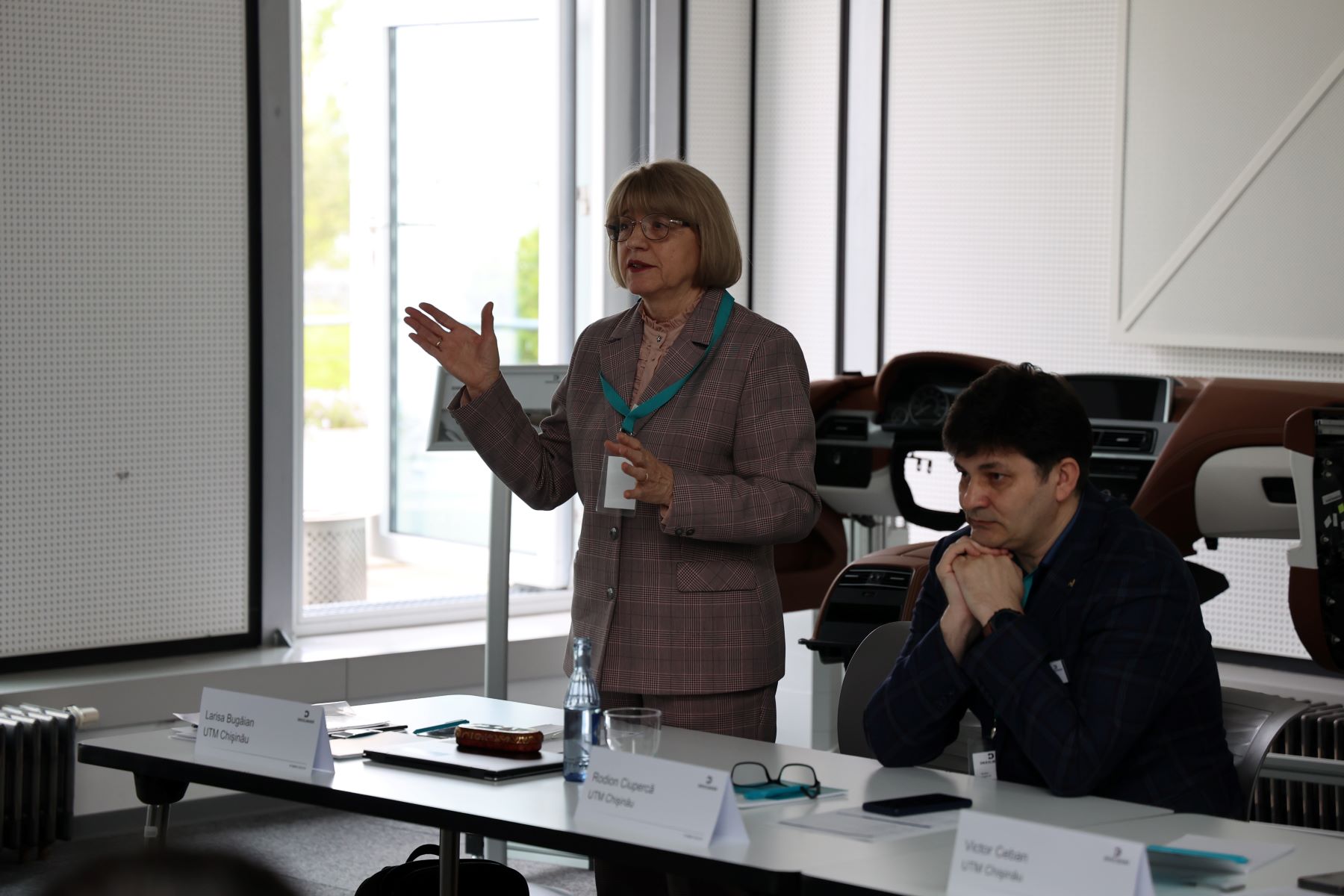
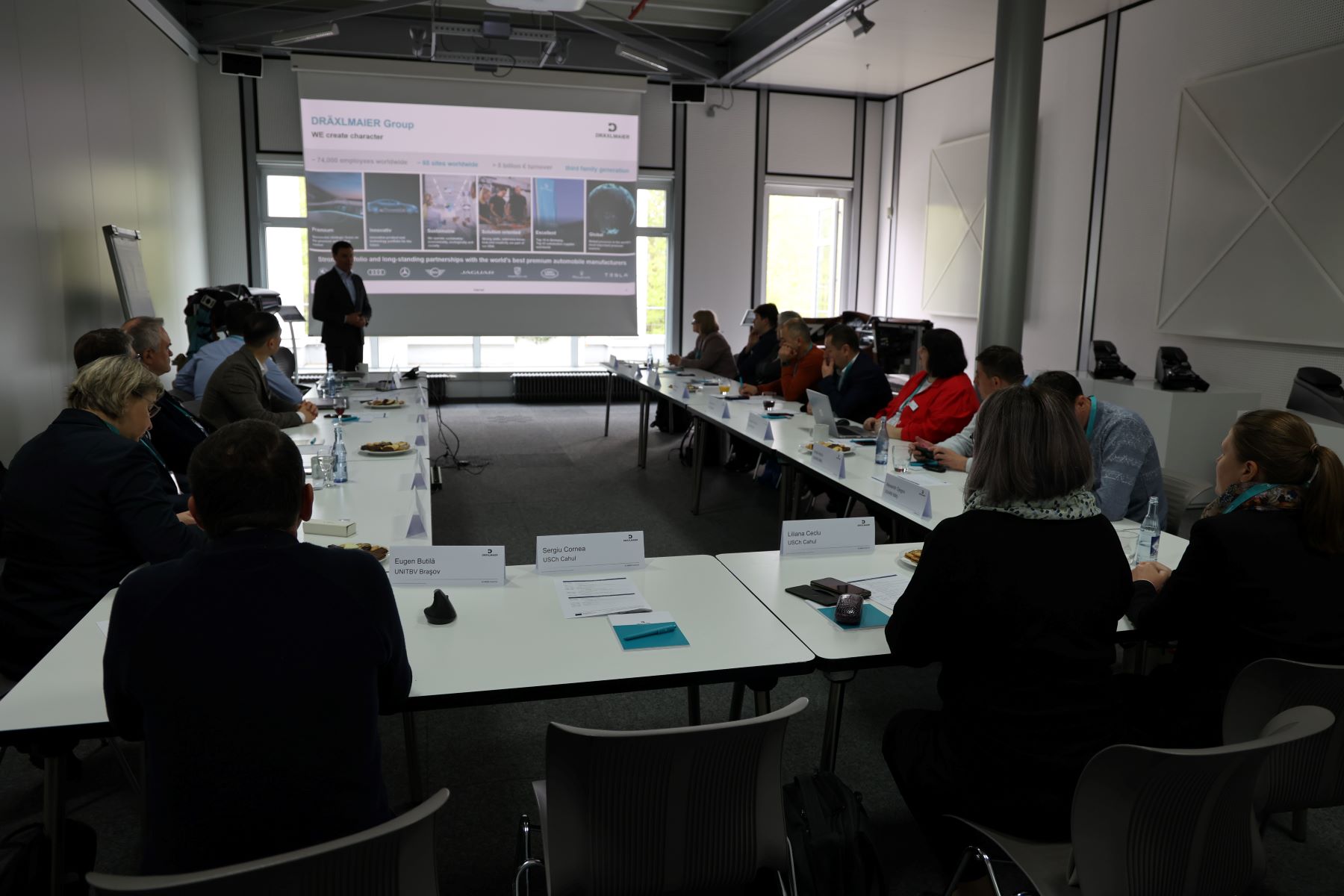
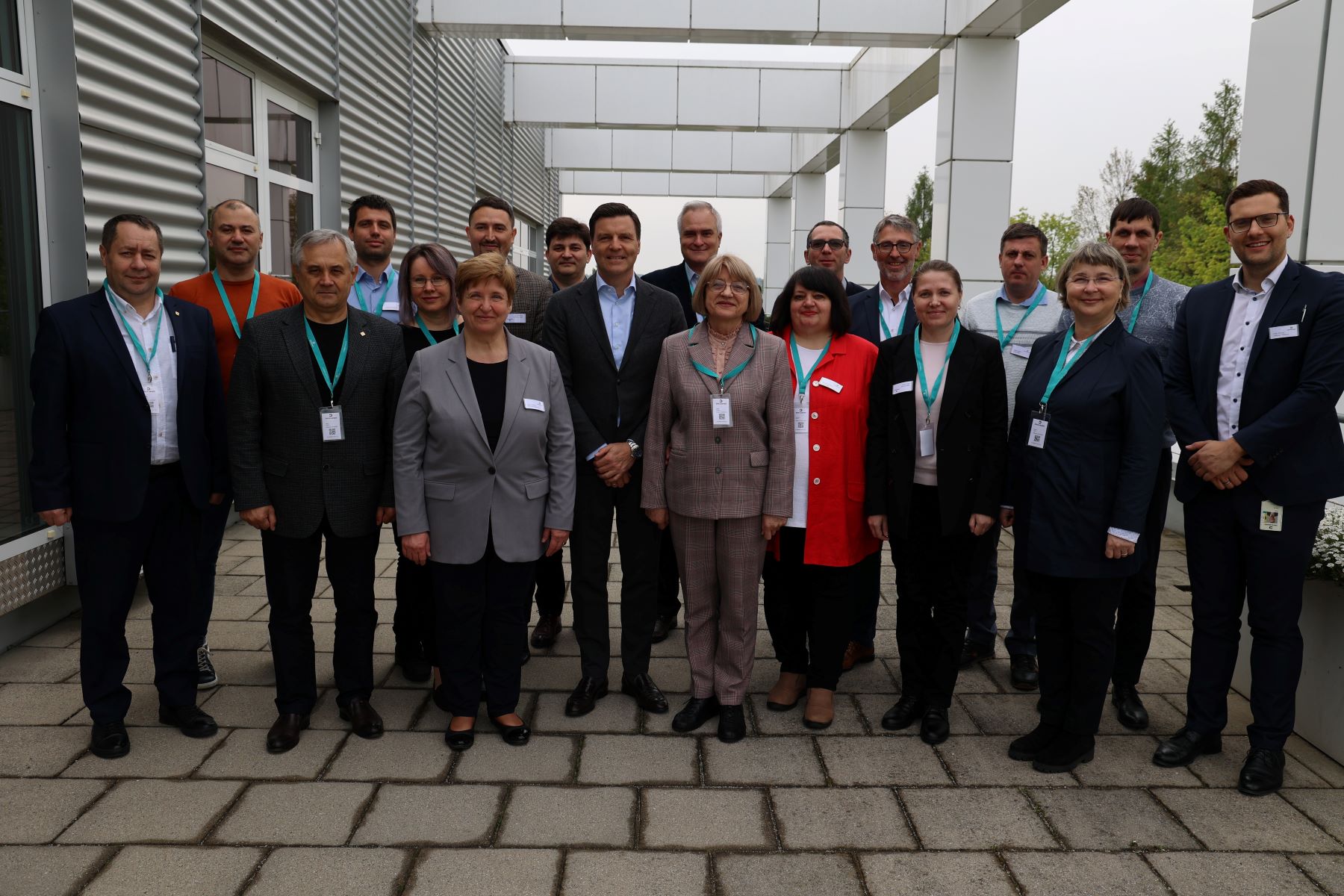
On 24-26 April 2024, a representative delegation of the Technical University of Moldova paid a first study visit to Dräxlmaier GmbH & Co. KG in Vilsbiburg, Germany, within the project “Enhancing Mechanical Engineering Education in Moldova for Industry 4.0/NeedEDU4.0”, funded by the European Union. With members such as prof. univ. Larisa BUGAIAN, project coordinator NeedEDU4.0, head of the Erasmus+ Centre UTM; prof. univ. Rodion CIUPERCĂ, NeedEDU4.0 project manager, Department of Manufacturing Engineering; prof. univ. Victor CEBAN, Head of Transport Department; prof. univ. Nicolae TRIFAN, Department of Machine Design Basics; lect. univ. Dumitru ODAINÎI, Department of Manufacturing Engineering, accompanied by representatives of the “Alecu Russo” State University of Balti, the “Bogdan Petriceicu Hasdeu” State University of Cahul, the Transylvania University of Brasov, Romania and the RWTH University of Aachen, Germany, the delegation sought to discover the strengths and expertise needed in the training of 4.0 engineers.
With a history dating back to Germany in 1958 and an expansion to more than 65 locations in 20 countries around the world, the Dräxlmaier Group has become a recognized leader in providing complex solutions for the premium automotive industry (wiring systems, electrical and electronic components, interiors and batteries for modern cars), with prestigious clients such as Audi, BMW, Jaguar, Mercedes-Benz, etc. The delegation members appreciated
The agenda of the visit, managed by the institutional coordinator of the NeedEDU4.0 project, Mrs Ioana VINTILOIU, provided an attractive insight into various aspects of Dräxlmaier’s activity.
Meetings with company management (in the person of Mr Stefan BRANDL, CEO of the Dräxlmaier Group), detailed presentations of key subdivisions (such as the Economics and Policy Department headed by Peter THOMA or the departments of the German Headquarters and the sections of Innovations, Simulation, CAD Design, Footprint Interior, Industrial Processes), as well as tours in laboratories and factories, gave the members of the delegation the opportunity to gain an in-depth understanding and appreciation of how the company uses advanced technologies and state-of-the-art practices to meet the demands of the automotive industry, gaining an insight into the company, its future strategy and the important role played by its locations in Moldova.
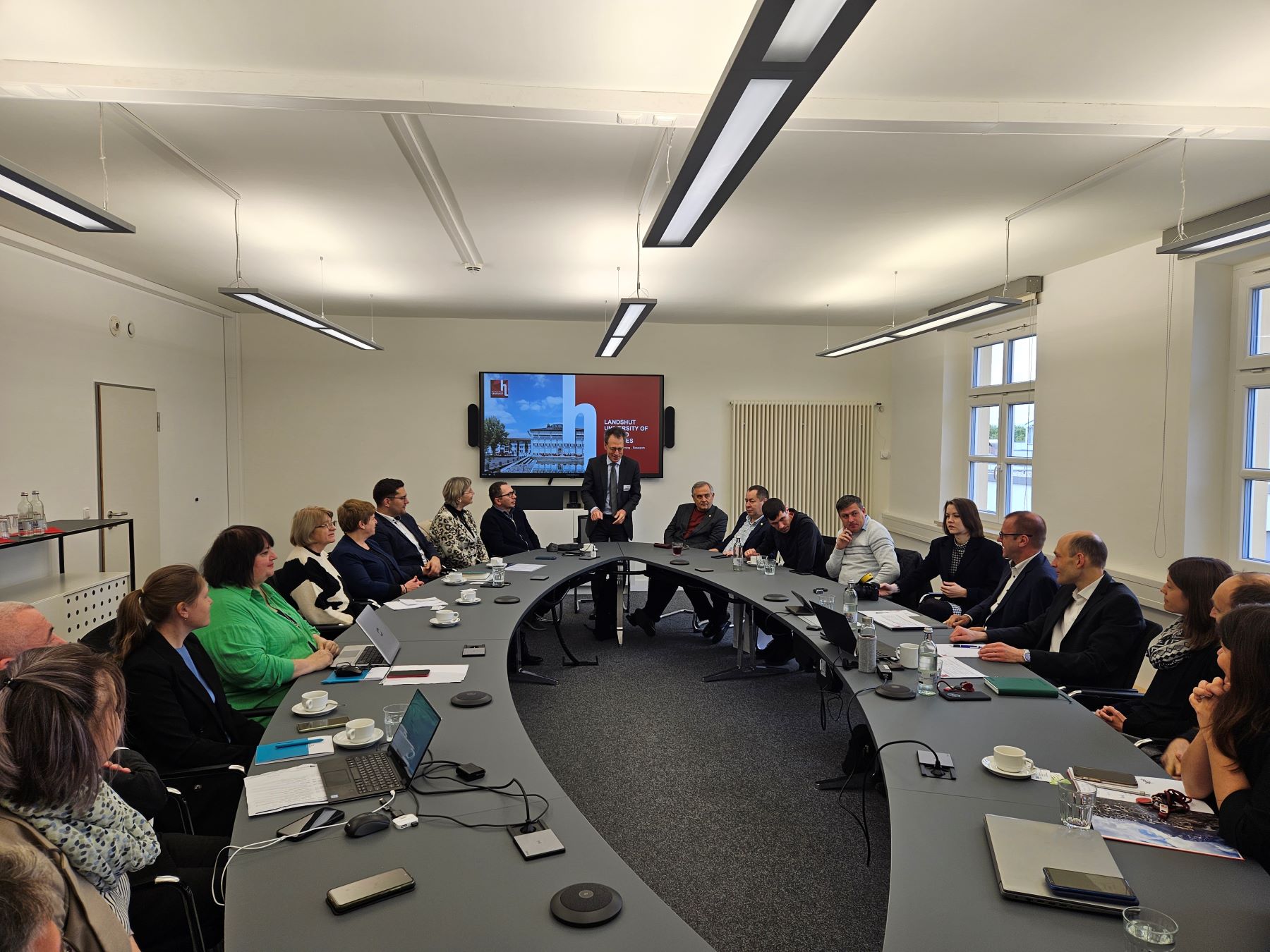
A key component of the visit was the interaction with German academia. Landshut University of Applied Sciences provided a clear insight into dual degree programmes, which integrate theoretical knowledge with practical experience in an innovative way. This approach is essential for preparing students for the complex requirements of modern industry.
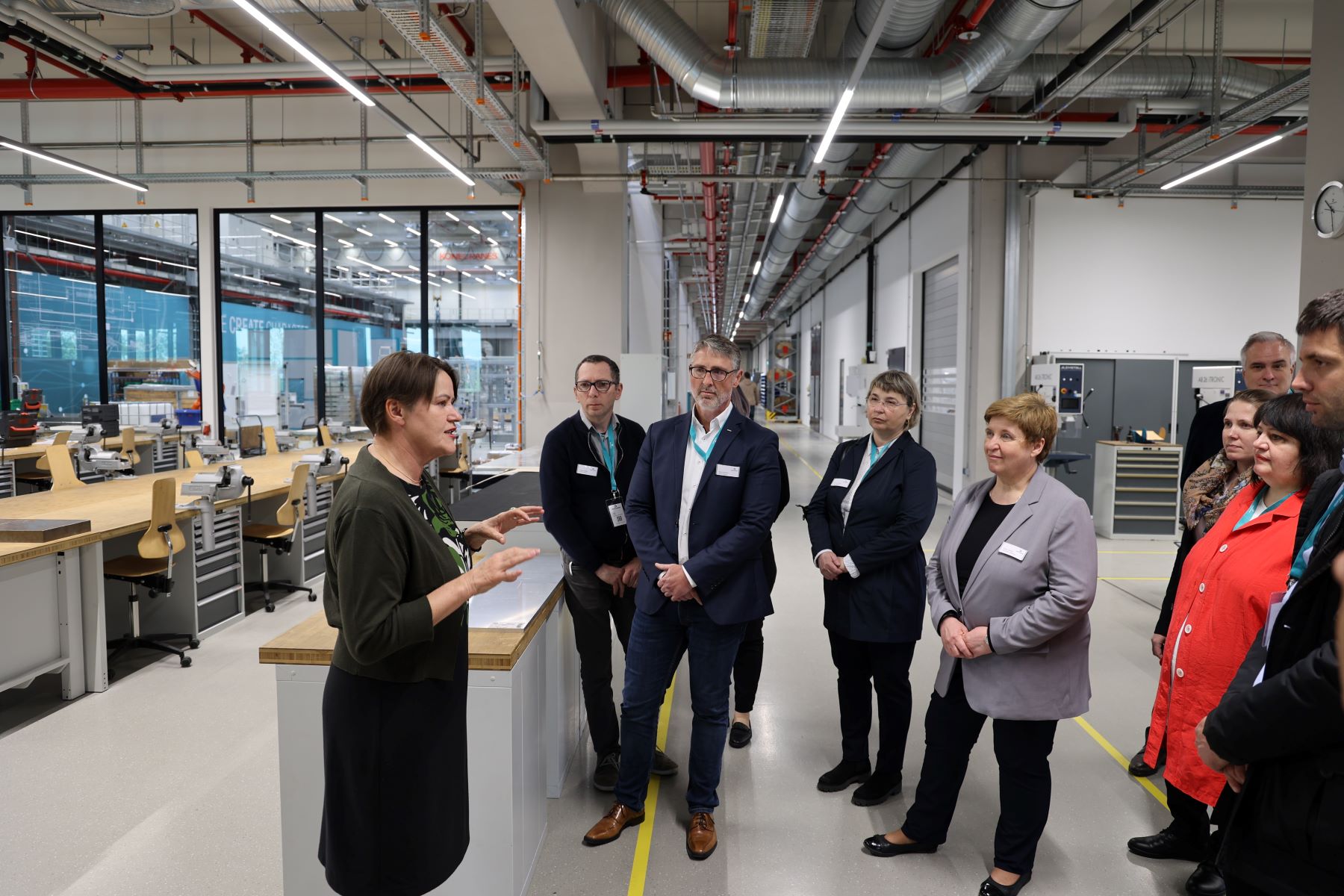
The delegation visited the Dräxlmaier site in Landau, where the interior components factory and the new modern battery line are located, as well as the Dräxlmaier factory in Vilsbiburg, where they observed production processes and interacted with company employees. He also visited the Dräxlmaier laboratories, where he was shown the simulation methods and design and construction tools used by the company.
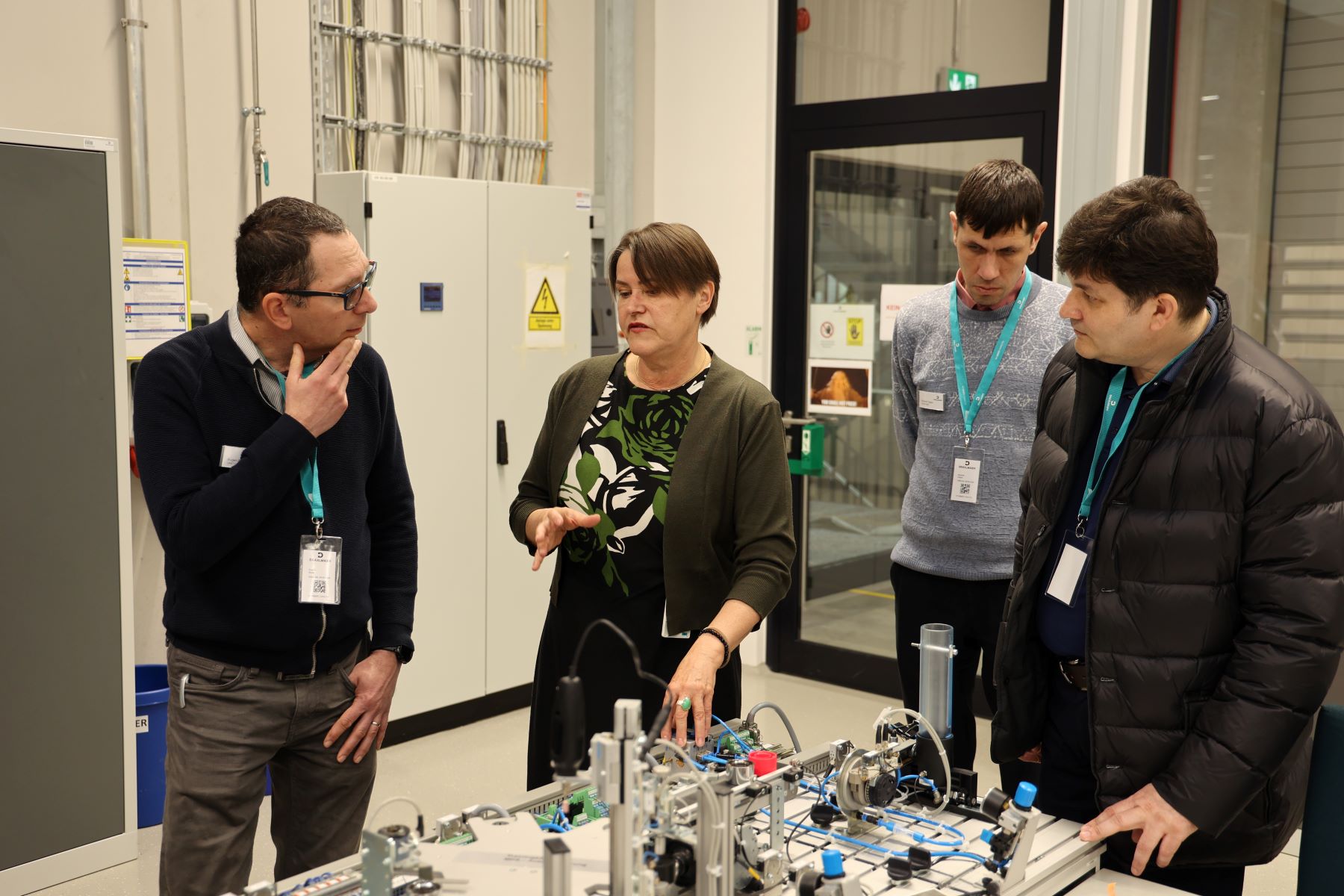
Also high on the agenda were visits to the Technology Centre in Dingolsfing, where innovative concepts for logistics in a company were presented, and to the Dräxlmaier Vocational Education Centre, where Mrs Barbara Gerber gave a detailed presentation of the activities dedicated to the vocational training of Dräxlmaier Group workers.
The study visit to Dräxlmaier was a great success, providing valuable insight into the Industry 4.0 working environment and current market requirements. The information and experiences gained will be essential in the development of an innovative university master programme in mechanical and automotive engineering. This programme will prepare future generations of engineers to face the challenges of Industry 4.0.
The first NEEDEDU4.0 study visit is an important step in preparing future engineers for the challenges of Industry 4.0. By collaborating with industry leaders such as Dräxlmaier and prestigious universities in Germany, this project has the potential to revolutionise engineering education in Moldova and equip the country with a generation of qualified and future-ready engineers.